






Ecological Governance and the Sustainable Growth Challenge of Dong Nai’s Industry
February 11, 2026
The rapid development of industrial parks (IPs) has secured a leading position for Dong Nai but simultaneously presents a rigorous test of the ecosystem's carrying capacity. In the era of the global green economy, environmental pressure is no longer a distant forecast but an immediate requirement in operations and investment attraction. To maintain its appeal, Dong Nai is undergoing a fundamental shift: making environmental standards a mandatory entry requirement and the core foundation for all long-term growth strategies.
Accumulated consequences and pressure on treatment infrastructure
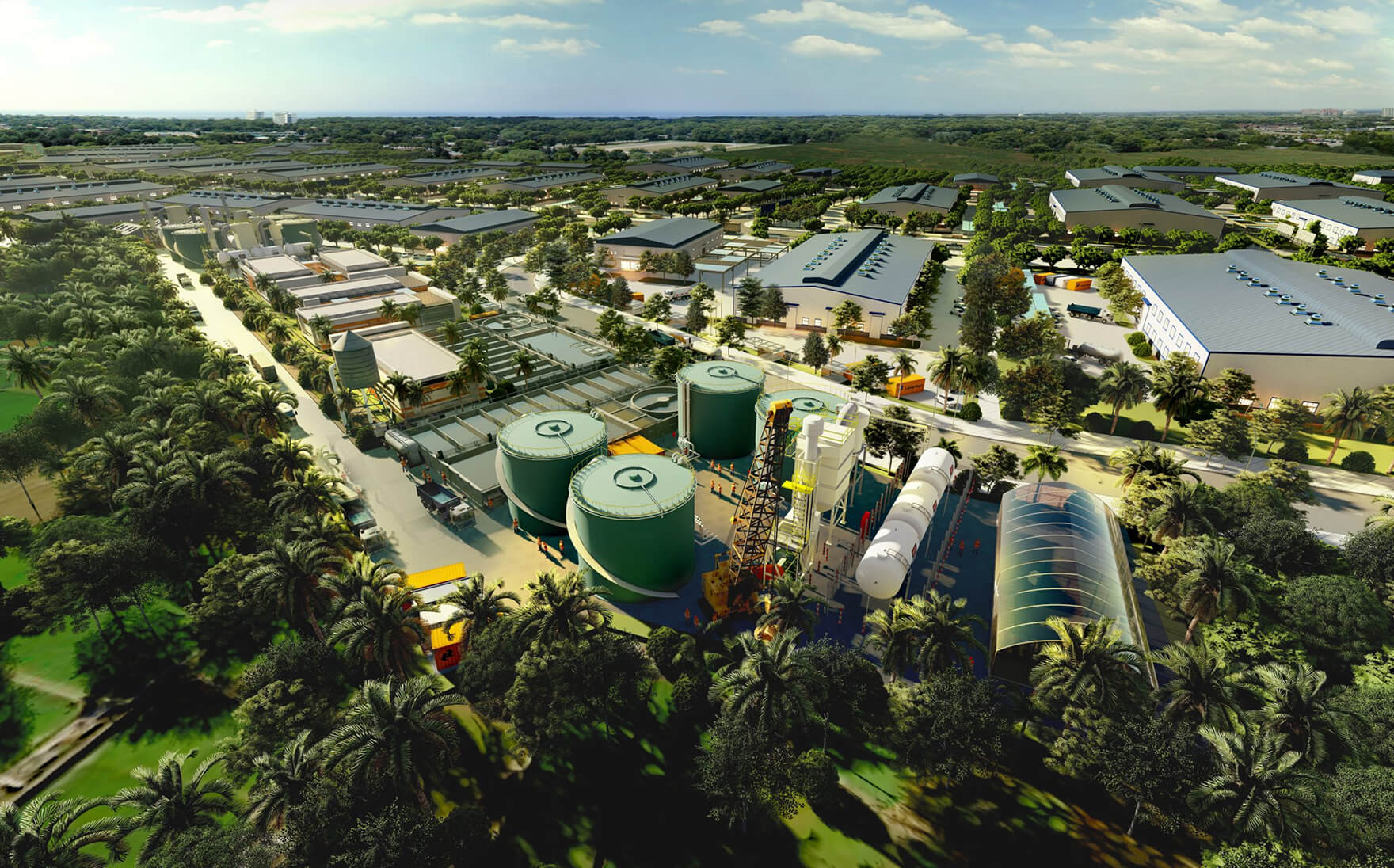
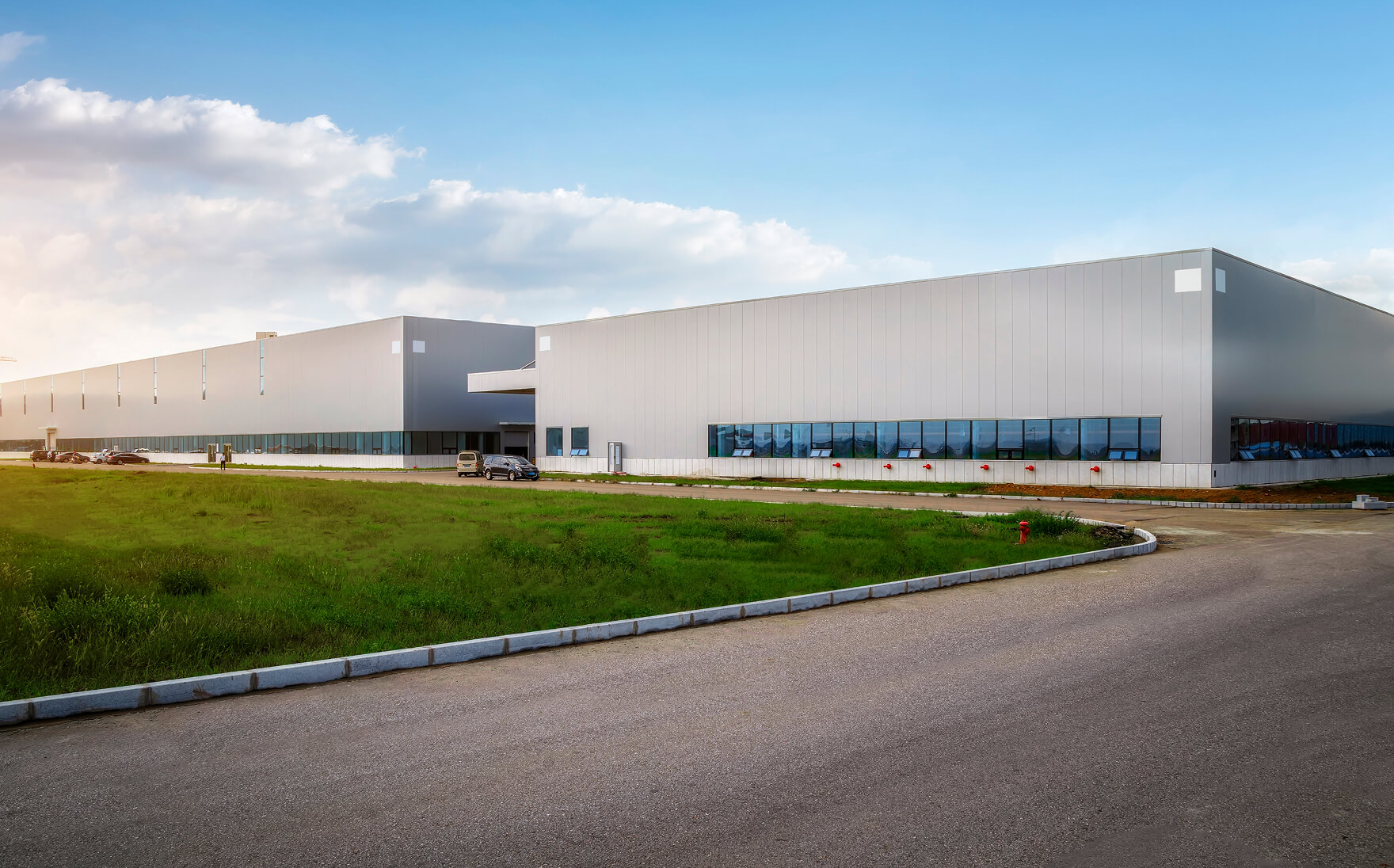
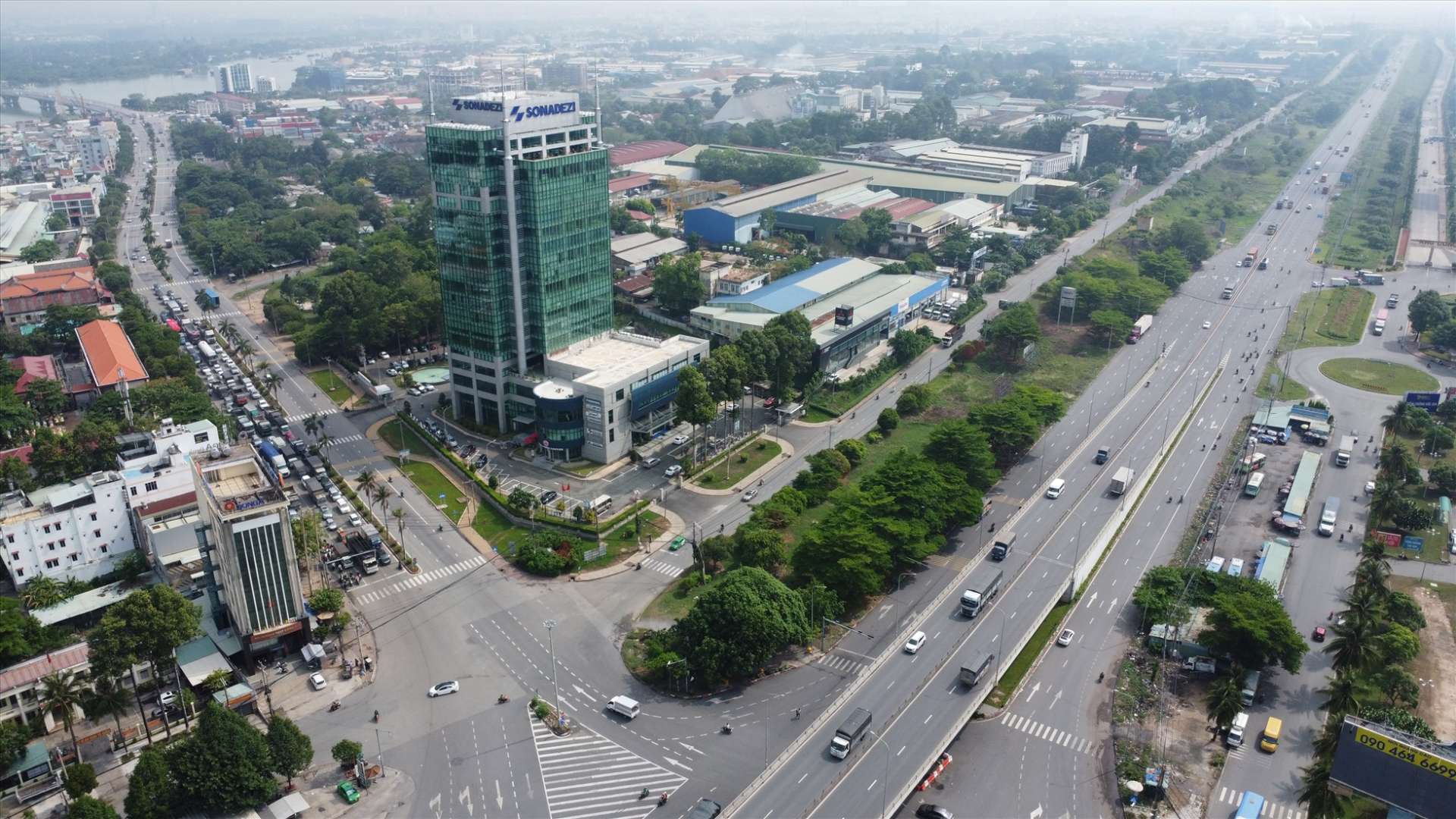
With an industrial development history dating back to the early 1990s, Dong Nai possesses one of the densest manufacturing networks in the Southeast region. Occupancy rates across dozens of existing IPs consistently remain high, creating a solid economic foundation accompanied by significantly increasing environmental pressure. The diverse industry structure-including high-risk sectors such as chemicals, textiles, and raw material processing-generates a massive volume of waste that strains the province’s treatment infrastructure.
The most concerning issue lies in decades of accumulated pollution. As the number of enterprises continues to grow, controlling emissions from production and energy consumption has become more complex than ever. Specialized manufacturing sectors that generate large volumes of wastewater require extremely strict treatment processes before discharge. This reality shows that isolated solutions at individual factories are no longer effective, necessitating a management mechanism capable of overall control on a regional scale.
ESG standards: Deciding the quality of capital flows
In the current landscape, the environment has evolved beyond a post-production auxiliary factor. For the international business community, particularly FDI investors, ESG (Environmental, Social, and Governance) standards have become a prerequisite for joining global supply chains. Investment site selection now depends heavily on an IP’s ability to meet sustainable operational benchmarks rather than just geographical location or land lease costs.
This shift exerts positive pressure, forcing infrastructure developers to recognize their responsibilities and manifest them through actual operational capacity. The environment is now a key criterion for filtering and differentiating the quality of capital. Regions capable of providing a clean, transparent production environment that complies with international emission reduction commitments will hold an absolute advantage in attracting high-tech and high-value-added projects.
A strategic shift toward proactive impact management
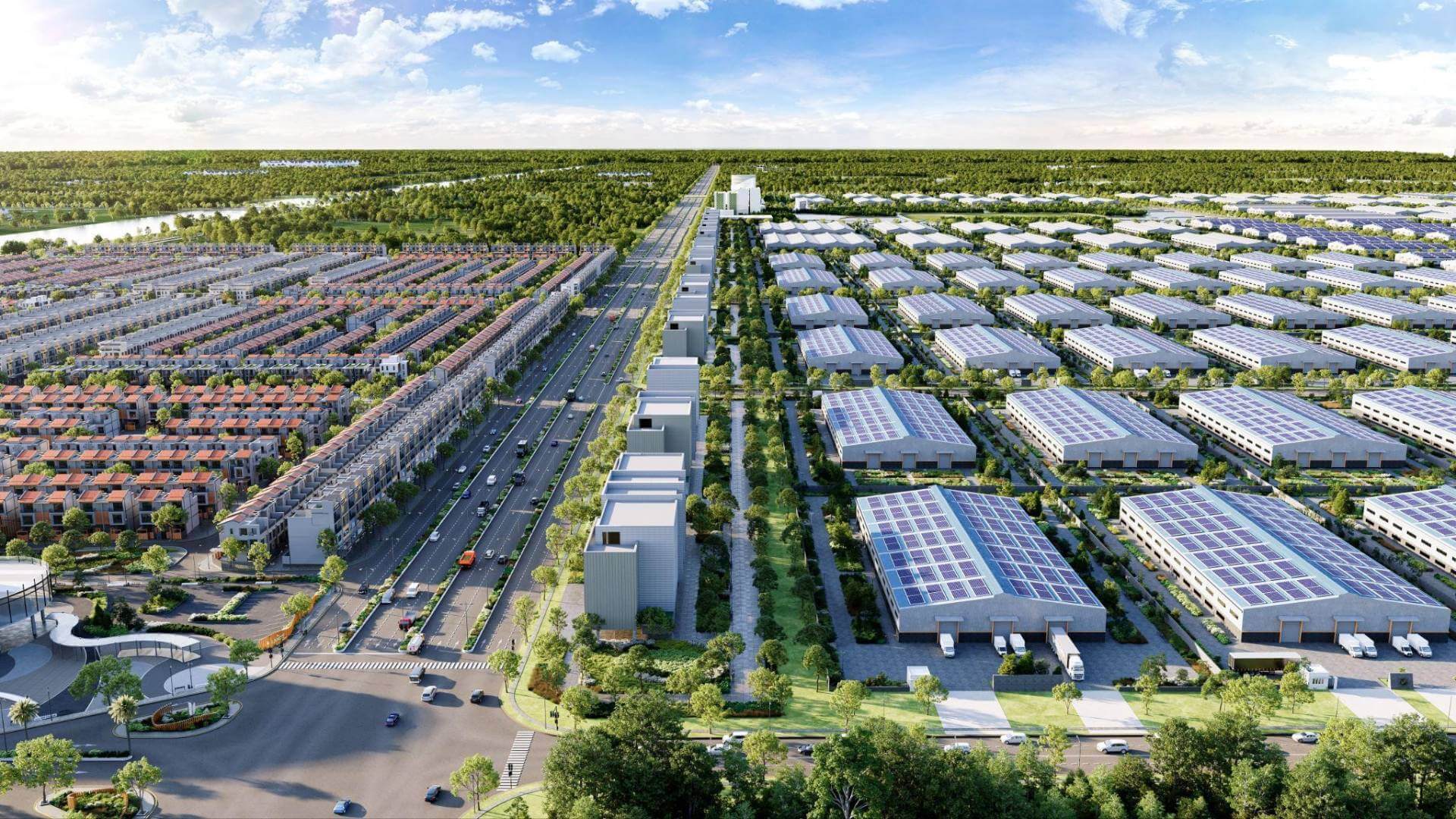
To solve the environmental puzzle sustainably, Dong Nai is implementing a roadmap to transform management methods. Instead of focusing solely on end-of-pipe waste treatment, the new approach prioritizes control at the stages of spatial planning, industry selection, and technical infrastructure design.
Modern technical solutions, including water recycling, energy efficiency optimization, and the application of advanced treatment technologies, are becoming basic requirements for all new projects. This orientation reduces the burden on the surrounding ecosystem and supports businesses in optimizing operational costs through the Circular Economy model. Sustainability must be integrated throughout every investment decision, turning regulatory compliance into a foundation for more modern operational models in the future.
Social and environmental responsibility of infrastructure developers
The role of IP developers in this new era has expanded significantly. Their task is no longer limited to providing raw production space but has shifted to creating a responsible operating environment. A sound infrastructure development strategy must ensure a balance between three factors: Economic Efficiency, Social Responsibility, and Environmental Preservation.
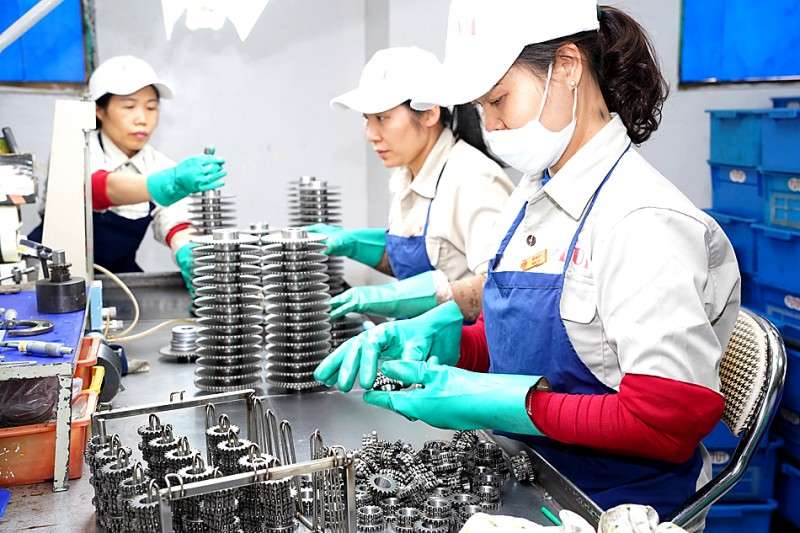
Technically, prioritizing synchronized infrastructure and environmental impact mitigation solutions during the project planning phase is an essential step. Socially, IP development must be linked to the quality of life for local communities by maintaining a stable working environment and supporting healthcare and educational facilities. This holistic approach transforms an industrial park into an organic part of society rather than an isolated manufacturing oasis.
Green economy vision and long-term competitive advantage
Dong Nai has set an ambitious goal of becoming a high-value industrial hub centered on the green and circular economy. The roadmap toward Net-zero by 2050 is a powerful commitment to the international community. This is not just a conservation goal but a strategy to enhance competitiveness and maintain the province’s position on Vietnam’s industrial map.
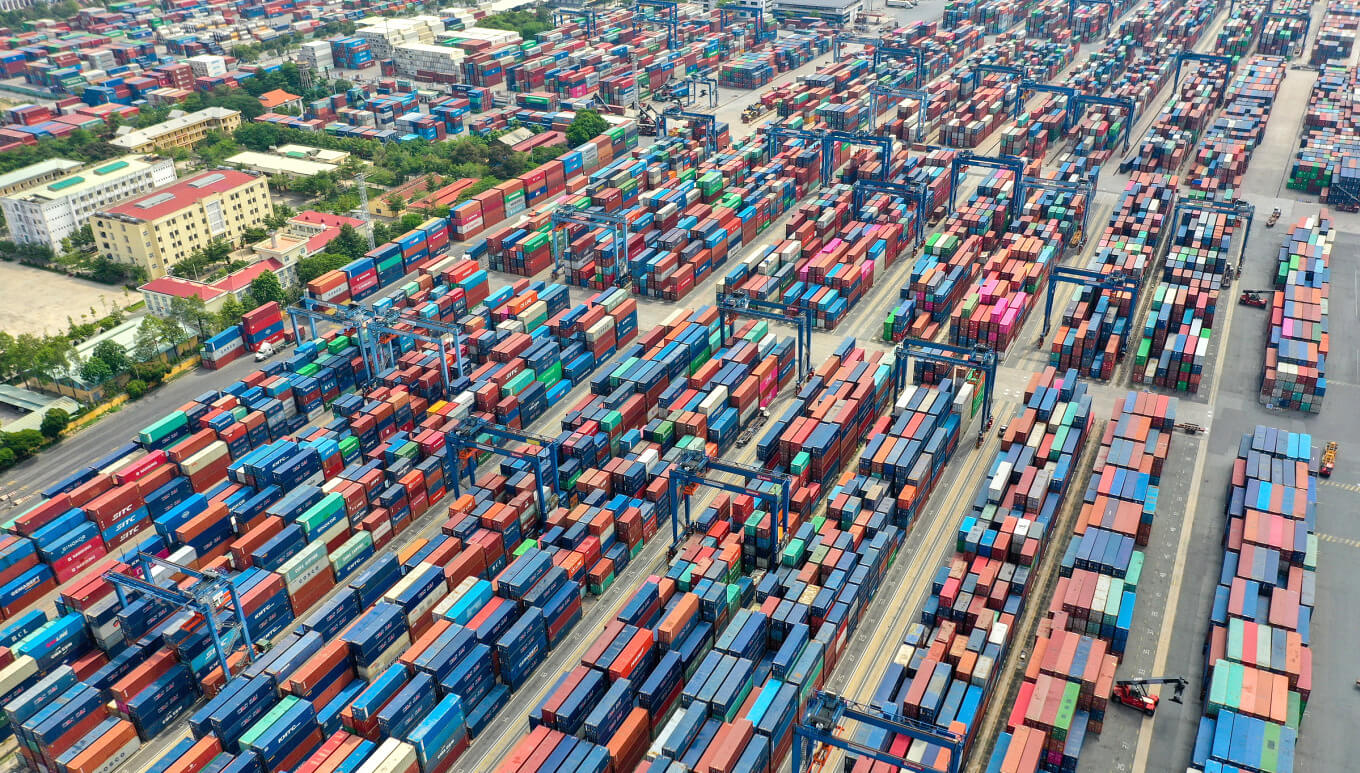
As transportation infrastructure and the Long Thanh International Airport mega-project become operational, operational pressure will increase further. Solving the environmental problem now will create a solid foundation for attracting new-generation investment. Responsibly developed industrial parks, where business interests and environmental stability are harmonized, will act as the nuclear force driving the economy. The environment is now the bedrock upon which Dong Nai’s industrial ecosystem grows stably and sustainably, confidently asserting its value in the global supply chain.